Review: Realistic Tennis Ball Yellow Green for Embroidery
As a designer who spends more time staring at stitch simulations than I do sleeping, I approach every new digital embroidery file with a healthy dose of skepticism. We have all seen those glossy clipart images that look stunning on a screen but turn into a tangled mess of thread breaks and puckering once they hit the hoop. That is why I took a close look at the Realistic Tennis Ball Yellow Green design to see if it holds up under the pressure of a real-world embroidery project.
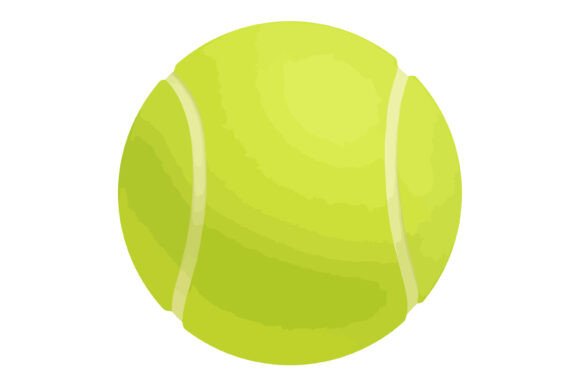
My first impression was driven by the visual personality of the graphic. The "glossy" and "3D" descriptors in the title usually signal high-detail rendering, which can be a double-edged sword in embroidery. However, this specific asset strikes a balance. The yellow-green hue is vibrant without being neon, capturing that authentic felt texture of a tournament-grade ball. For an Etsy seller or a boutique owner, this color accuracy is crucial; it signals quality immediately. The shape is classic, avoiding weird distortions that sometimes happen when vector art is converted into stitch data.
Putting It to the Test: A Real-World Scenario
To truly evaluate this design, I imagined a specific client request: a custom order for a local tennis club needing branded merchandise for their upcoming summer tournament. They wanted something that looked professional on a sweatshirt embroidery run but also needed to work as a small logo on a cap. This is where the Realistic Tennis Ball Yellow Green shines.
If I were stitching this onto a heavy cotton tote bag, the design's density would likely provide excellent coverage. The transition from the bright yellow to the deeper green shadows suggests a sophisticated use of fill stitch techniques rather than a flat block of color. This depth gives the finished product a premium feel, elevating it from a simple craft item to a piece of custom apparel that customers are willing to pay more for. In a craft business, perceived value is everything, and a design that mimics 3D reality through thread adds significant weight to your brand consistency.
Versatility Across Products and Fabrics
One of the strongest aspects of this graphic is its adaptability. While it falls under the category of T-Shirt Designs and general Graphics, its application goes far beyond cotton tees. I can easily visualize this working as a central motif on a nursery decor pillow for a sporty baby shower, proving its worth as a charming baby embroidery option. The playful yet realistic nature fits perfectly with holiday embroidery gifts for Father's Day or back-to-school seasons.
However, versatility requires caution. When moving to textured fabrics like a waffle-knit towel or a fuzzy fleece blanket, the fine details of a realistic design can get lost. The "glossy" effect relies on smooth transitions between thread colors. On a rough fabric texture, these gradients might appear jagged. For a small shop product line, I would recommend testing this on smooth twills or high-count cottons first to ensure the stitch density renders cleanly. If you are aiming for an embroidered patch, this design is ideal because patches typically use dense stitching and stiff backing, which supports the intricate shading this ball design offers.
Technical Considerations for the Stitcher
Let's talk about the technical nitty-gritty, because this is where projects live or die. The description mentions formats like SVG, PDF, JPEG, PNG, EPS, and an editable file. As an experienced reviewer, I must point out that while SVG and EPS are fantastic for resizing graphics for printable mockup creation or heat transfer vinyl, they are not native machine embroidery design formats. Before you load this into your hoop, you need to ensure you have the correct digitized file (like DST, PES, or XXX) compatible with your machine. If the package only includes vector graphics, you will need to digitize it yourself or hire someone to convert it into a proper applique design or standard stitch file.
Assuming you have the correct stitch file, pay attention to the hoop size. Realistic designs often require a minimum area to allow the gradient stitches to breathe. Cramping a detailed 3D ball into a tiny 2x2 inch hoop on a cap front might result in a muddy blob where the yellow and green threads merge indistinguishably. For caps and curved surfaces, consider simplifying the design or using a running stitch outline to define the edges if the fill becomes too dense.
Another critical factor is the stabilizer. Because this design aims for a 3D look, it likely employs varying stitch angles and densities. On stretchy performance fabrics common in sports apparel, a cut-away stabilizer is non-negotiable. A tear-away might leave the design unstable after the first wash, causing the "realistic" illusion to warp. Always test on scrap fabric that matches your final garment. Check the thread colors against your physical spools; screen colors rarely match thread charts exactly. You may need to swap a standard yellow for a specific variegated thread to enhance that glossy effect manually.
Commercial Viability and Buyer Engagement
For the creative entrepreneurs and digital product sellers reading this, the commercial potential here is solid. Sports themes are evergreen. A well-executed tennis ball design appeals to a wide demographic, from competitive athletes to casual fans. Using this in a tote bag design series or as part of a coordinated set for a team uniform can drive significant buyer engagement. The professionalism of the image builds customer trust; if your mockups look sharp, buyers assume the physical item will be equally high-quality.
That said, always verify the licensing terms included with the design assets. Just because a file is editable doesn't mean it is cleared for unlimited commercial resale as a digital file. Most licenses allow you to sell the handmade product (the stitched shirt or bag) but prohibit selling the raw file itself. Clarifying this protects your small business from legal headaches down the road.
Final Verdict
The Realistic Tennis Ball Yellow Green is a strong contender for anyone looking to add a touch of sporty realism to their catalog. It moves beyond generic clipart by offering depth and character that translates well into thread, provided the technical setup is handled correctly. It is not a "load and go" solution for every fabric type, but for the prepared designer who understands stitch density, stabilizer needs, and format conversions, it is a valuable tool. Whether you are creating a personalized gift for a tennis coach or stocking inventory for a sports boutique, this design has the visual punch to make your finished product stand out on the shelf.
Remember, the difference between a good design and a great one is often in the preparation. Test your tension, check your needle size, and respect the limitations of your hoop. With the right approach, this tennis ball design can be the ace up your sleeve for your next successful collection.